
What Does Lake Mean In Food Coloring - Red 40 lake is a synthetic dye that is widely used in the food industry to add color to various food products, including candies, baked goods, and beverages. Lake pigments are a category of coloring agents specifically engineered to lend vivid hues to various consumer goods. In food applications, all colorants are considered food additives. When it comes to food coloring, you may come across terms like “lake” on the ingredient list. Lakes are ideal for coloring food products containing fats and oils or stuffs lacking sufficient moisture to dissolve dyes. While it is approved by the fda for consumption within regulatory limits, there are several debates and controversies surrounding its use. Lake food colors are more stable than food dyes. Lakes, on the other hand, are preferred for. Both lake pigments and dyes fall under the category of “synthetic pigments.” Lake colors are typically used to make coated tablets, cake and doughnut mixes, hard candies and chewing gums, lipsticks, soaps, shampoos, talc, etc.

Will Food Coloring Stain Skin in Body Scrub
Lake food colors are more stable than food dyes. In food applications, all colorants are considered food additives. Both lake pigments and dyes fall under the category of “synthetic pigments.” Red 40 lake is a synthetic dye that is widely used in the food industry to add color to various food products, including candies, baked goods, and beverages. Lake colors.

Does Dyeing Your Food Kill It?
Lakes, on the other hand, are preferred for. Lake food colors are more stable than food dyes. Red 40 lake is a synthetic dye that is widely used in the food industry to add color to various food products, including candies, baked goods, and beverages. What are lake pigments and dyes, and how are they different? When it comes to.

Can You Put Food Coloring In Water And Drink It Food Poin
In food applications, all colorants are considered food additives. When it comes to food coloring, you may come across terms like “lake” on the ingredient list. Both lake pigments and dyes fall under the category of “synthetic pigments.” While it is approved by the fda for consumption within regulatory limits, there are several debates and controversies surrounding its use. Lake.

salt water and food coloring YouTube
Lakes are ideal for coloring food products containing fats and oils or stuffs lacking sufficient moisture to dissolve dyes. Lake colors are typically used to make coated tablets, cake and doughnut mixes, hard candies and chewing gums, lipsticks, soaps, shampoos, talc, etc. While it is approved by the fda for consumption within regulatory limits, there are several debates and controversies.

Fd&c Red 40 Lake Food Coloring Artificial Red Food Colouring Buy Red 40 Lake Food Coloring
Both lake pigments and dyes fall under the category of “synthetic pigments.” Lake pigments are a category of coloring agents specifically engineered to lend vivid hues to various consumer goods. Lake colors are typically used to make coated tablets, cake and doughnut mixes, hard candies and chewing gums, lipsticks, soaps, shampoos, talc, etc. Lakes are ideal for coloring food products.

What does Lake mean in Food Coloring? IMBAREX Natural Colors
Lakes are ideal for coloring food products containing fats and oils or stuffs lacking sufficient moisture to dissolve dyes. What are lake pigments and dyes, and how are they different? Red 40 lake is a synthetic dye that is widely used in the food industry to add color to various food products, including candies, baked goods, and beverages. Lakes, on.

Manufacture of Pharmaceutical Dyes & Lake colours in Europe, 9717799051
Lake pigments are a category of coloring agents specifically engineered to lend vivid hues to various consumer goods. Both lake pigments and dyes fall under the category of “synthetic pigments.” Lake food colors are more stable than food dyes. When it comes to food coloring, you may come across terms like “lake” on the ingredient list. In food applications, all.

What Is The Difference Between Liquid And Gel Food Coloring at Stormy Jake blog
When it comes to food coloring, you may come across terms like “lake” on the ingredient list. In food applications, all colorants are considered food additives. Lakes, on the other hand, are preferred for. Red 40 lake is a synthetic dye that is widely used in the food industry to add color to various food products, including candies, baked goods,.
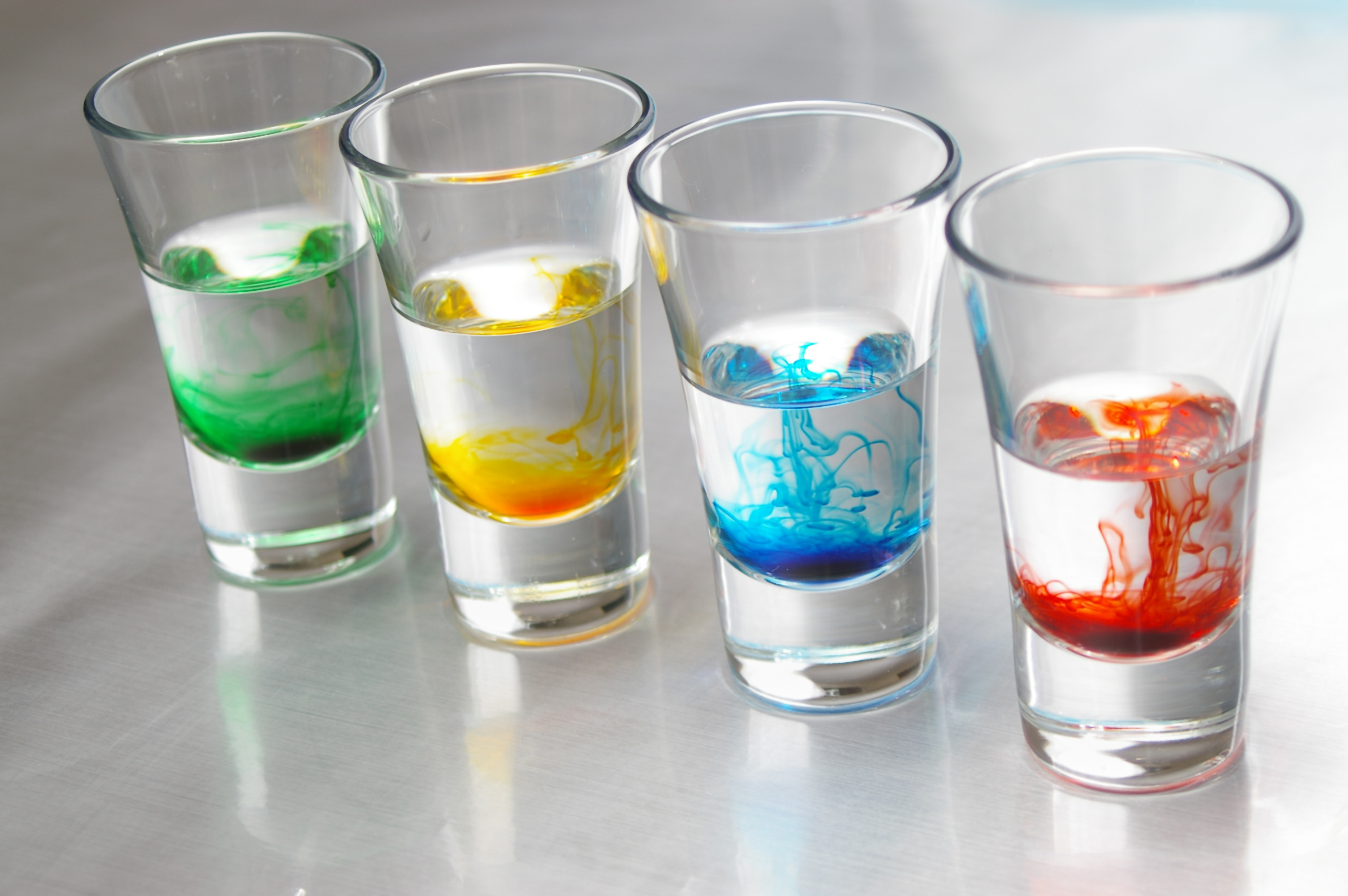
Food Coloring In Water Experiment
Lakes are ideal for coloring food products containing fats and oils or stuffs lacking sufficient moisture to dissolve dyes. In food applications, all colorants are considered food additives. Lake colors are typically used to make coated tablets, cake and doughnut mixes, hard candies and chewing gums, lipsticks, soaps, shampoos, talc, etc. When it comes to food coloring, you may come.

Fun Recipes to Make Organic Food Coloring Feeding My Kid
Lakes are ideal for coloring food products containing fats and oils or stuffs lacking sufficient moisture to dissolve dyes. When it comes to food coloring, you may come across terms like “lake” on the ingredient list. Lake pigments are a category of coloring agents specifically engineered to lend vivid hues to various consumer goods. Lakes, on the other hand, are.
Lake pigments are a category of coloring agents specifically engineered to lend vivid hues to various consumer goods. While it is approved by the fda for consumption within regulatory limits, there are several debates and controversies surrounding its use. Both lake pigments and dyes fall under the category of “synthetic pigments.” Lake food colors are more stable than food dyes. Lakes are ideal for coloring food products containing fats and oils or stuffs lacking sufficient moisture to dissolve dyes. When it comes to food coloring, you may come across terms like “lake” on the ingredient list. In food applications, all colorants are considered food additives. Lake colors are typically used to make coated tablets, cake and doughnut mixes, hard candies and chewing gums, lipsticks, soaps, shampoos, talc, etc. Lakes, on the other hand, are preferred for. Red 40 lake is a synthetic dye that is widely used in the food industry to add color to various food products, including candies, baked goods, and beverages. What are lake pigments and dyes, and how are they different?
Lakes, On The Other Hand, Are Preferred For.
Lake food colors are more stable than food dyes. In food applications, all colorants are considered food additives. When it comes to food coloring, you may come across terms like “lake” on the ingredient list. Lake colors are typically used to make coated tablets, cake and doughnut mixes, hard candies and chewing gums, lipsticks, soaps, shampoos, talc, etc.
Lakes Are Ideal For Coloring Food Products Containing Fats And Oils Or Stuffs Lacking Sufficient Moisture To Dissolve Dyes.
Both lake pigments and dyes fall under the category of “synthetic pigments.” What are lake pigments and dyes, and how are they different? While it is approved by the fda for consumption within regulatory limits, there are several debates and controversies surrounding its use. Red 40 lake is a synthetic dye that is widely used in the food industry to add color to various food products, including candies, baked goods, and beverages.